Gisela Lange · 18 October 2026
Student Collectives Forge Corporate Partnerships to Launch Innovative Mental Wellness Programs on Campuses
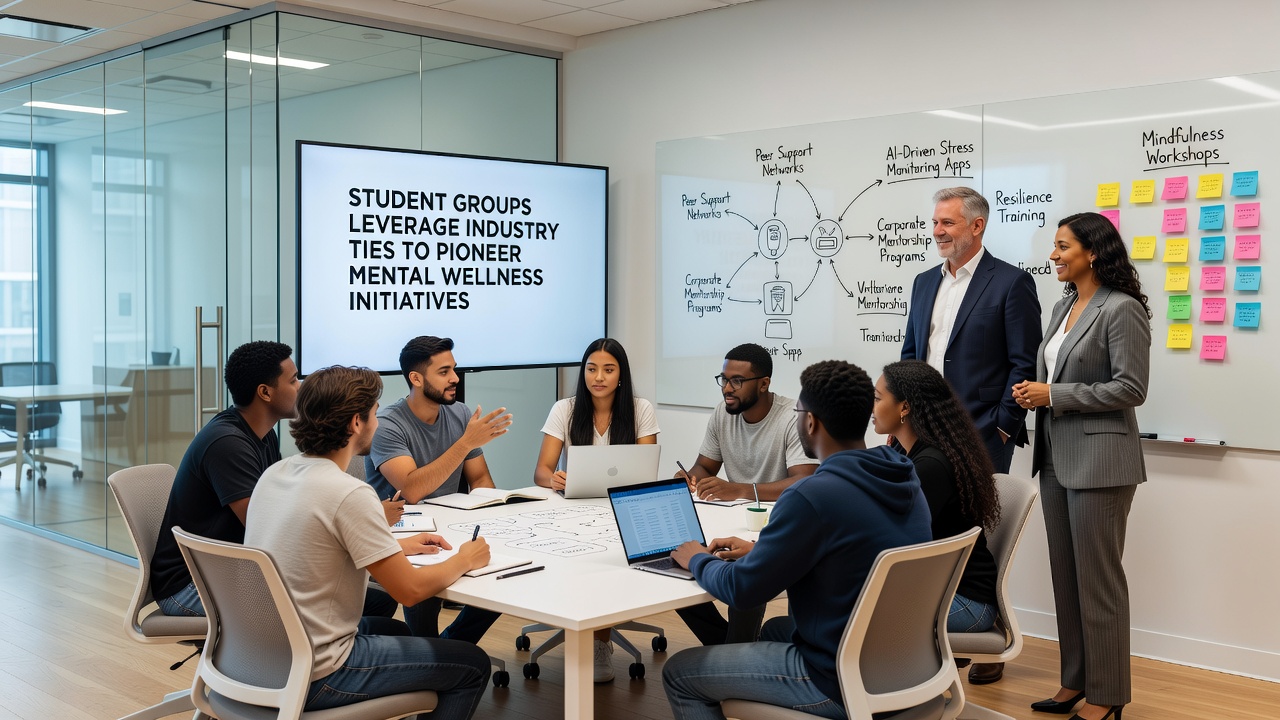
Student organizations across multiple universities have established partnerships with technology firms and healthcare providers to create targeted mental wellness programs, and these collaborations address documented increases in anxiety and depression rates among higher education populations according to data from the Centers for Disease Control and Prevention. Groups at institutions in North America and Europe have secured funding and technical expertise from private sector entities since 2024, which enables the development of digital tools and peer support networks that integrate directly into campus life.
Research indicates that one in five college students experiences a mental health condition each year, and figures from the National Institutes of Health reveal rising demand for accessible services amid limited counseling resources. Student collectives respond by forming alliances with companies specializing in telehealth platforms and mindfulness applications, while these arrangements allow groups to pilot programs without relying solely on university budgets strained by enrollment fluctuations.
Partnership Models and Program Structures
Student-led teams negotiate agreements that exchange branding opportunities for corporate sponsors in return for software development and training modules, and this model appears in initiatives at several large public universities where groups collaborate with firms like Headspace and Calm to customize content for academic stress periods. Observers note that these ties extend beyond simple sponsorships because student representatives participate in product feedback loops that shape features such as anonymous chat functions and crisis response protocols tailored to campus schedules.
Data from a 2025 report by the World Health Organization highlights similar trends in European universities, where student associations partner with regional health technology providers to launch bilingual support resources. Those programs combine virtual reality relaxation exercises with in-person group sessions, and participation metrics show thousands of users engaging monthly after initial rollouts in fall semesters.
Case Examples from Recent Initiatives
At one midwestern research university, a coalition of undergraduate and graduate organizations secured a grant from a pharmaceutical research division to fund a mobile application that connects users with licensed therapists during peak exam weeks, and the app incorporates scheduling algorithms that account for time zone differences for international students. Program coordinators report that over 3,200 students registered within the first three months of launch, while integration with existing campus portals streamlined access without additional administrative layers.
Another example involves student groups at Canadian institutions that allied with a national wellness technology collective to develop workshops on sleep hygiene and emotional regulation, and these sessions run alongside academic advising appointments. Evidence from participant surveys collected through the partnered platform indicates measurable reductions in self-reported stress levels after four weeks of consistent engagement, and researchers at participating universities plan longitudinal studies to track outcomes into 2027.
Timeline and October 2026 Developments
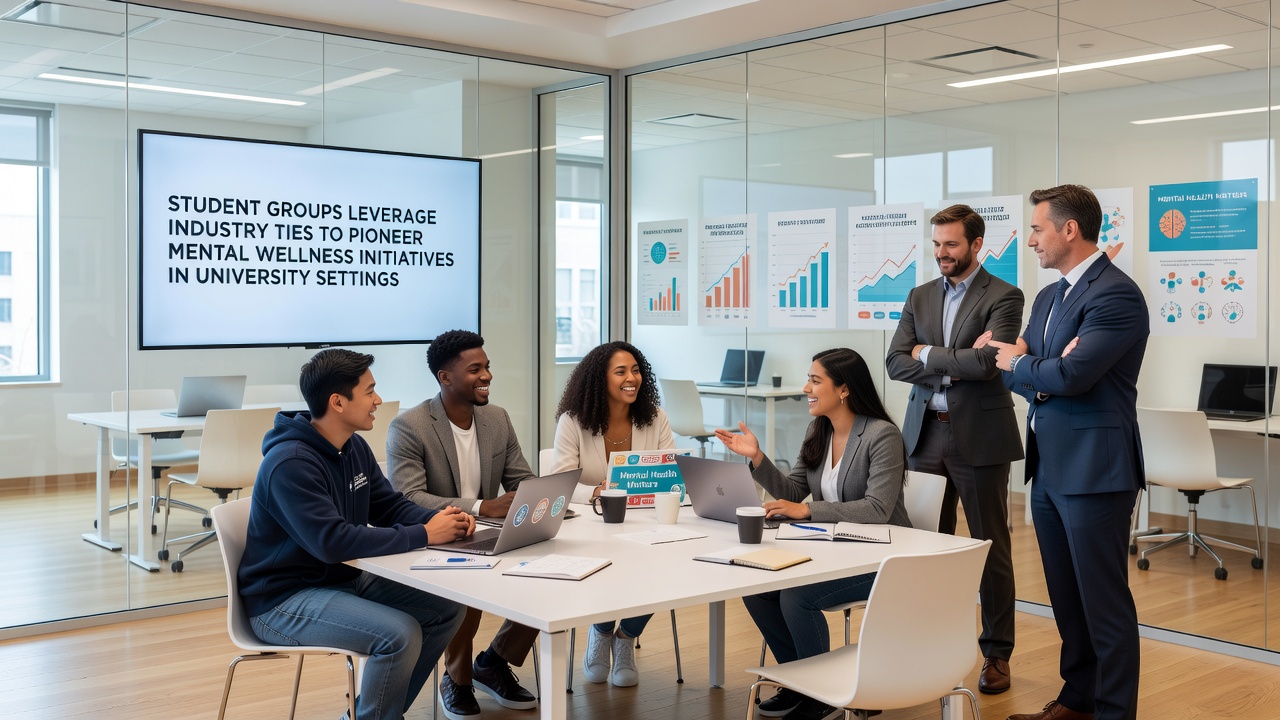
Expansion efforts accelerate in October 2026 as several coalitions prepare to unveil updated versions of their platforms that incorporate artificial intelligence for personalized recommendations based on user input patterns. Student organizers coordinate with industry partners to ensure compliance with data privacy standards set by regulatory bodies in both the United States and the European Union, and testing phases involve volunteer cohorts from diverse demographic backgrounds to refine accessibility features.
Additional funding rounds announced for that month include contributions from venture arms focused on health equity, which support scaling efforts to smaller colleges that lack dedicated wellness staff. Those expansions build on pilot successes documented in earlier academic years, and metrics collected through university health centers show increased utilization of combined digital and in-person services compared to standalone counseling options.
Evaluation Metrics and Broader Context
Independent evaluations conducted by academic research centers track engagement rates and outcome indicators such as reduced wait times for initial consultations, and preliminary findings suggest that industry-supported programs fill gaps in traditional services. Student groups maintain oversight committees that review partnership terms annually to align initiatives with institutional values, while data sharing agreements specify limits on commercial use of anonymized usage statistics.
Broader trends in higher education demonstrate that these collaborations reflect responses to enrollment pressures and funding constraints, and reports from organizations like the Canadian Institute for Health Information provide comparative data across provinces that inform similar efforts elsewhere. Student collectives continue to refine approaches based on feedback collected through integrated survey tools, and ongoing adjustments address cultural considerations for international populations on campus.
Conclusion
Student organizations leverage industry connections to introduce structured mental wellness offerings that complement existing university resources, and documented participation levels along with partnership frameworks indicate sustained activity through late 2026 and beyond. These developments unfold amid ongoing research into effective support strategies, while the resulting programs operate within regulatory environments that prioritize user data protection and evidence-based design principles.