Harper Brooks · 6 October 2026
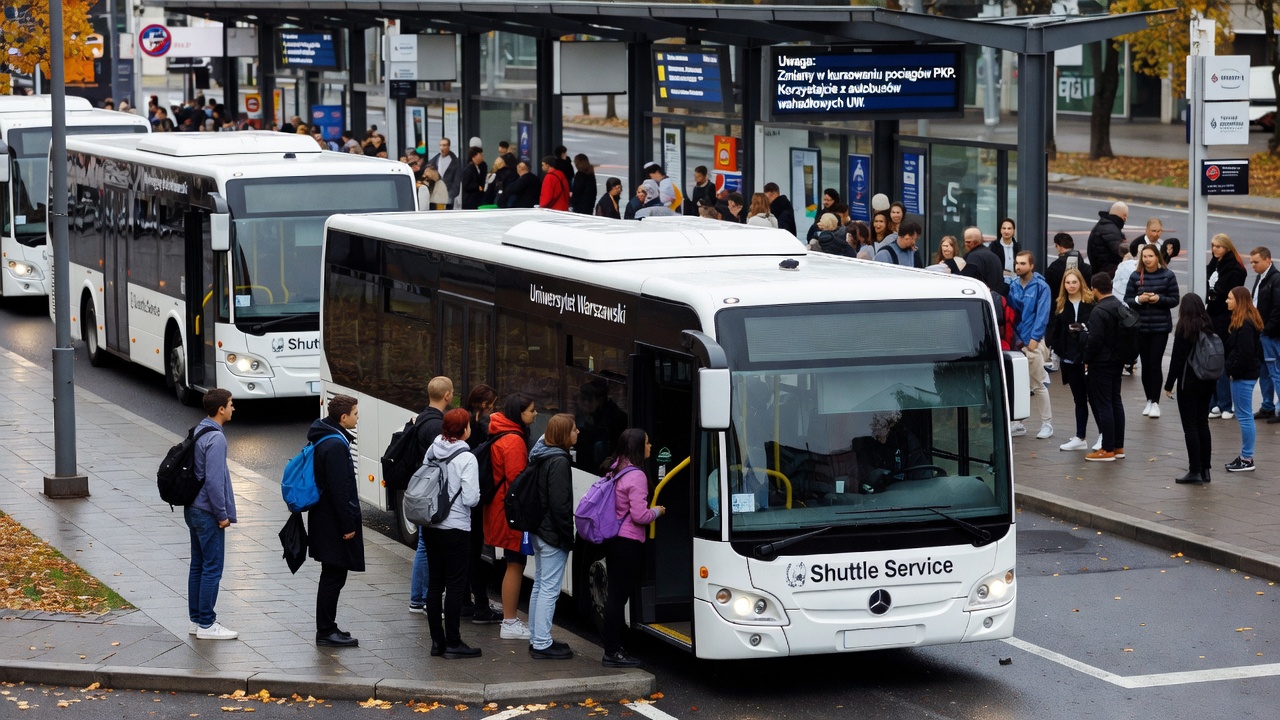
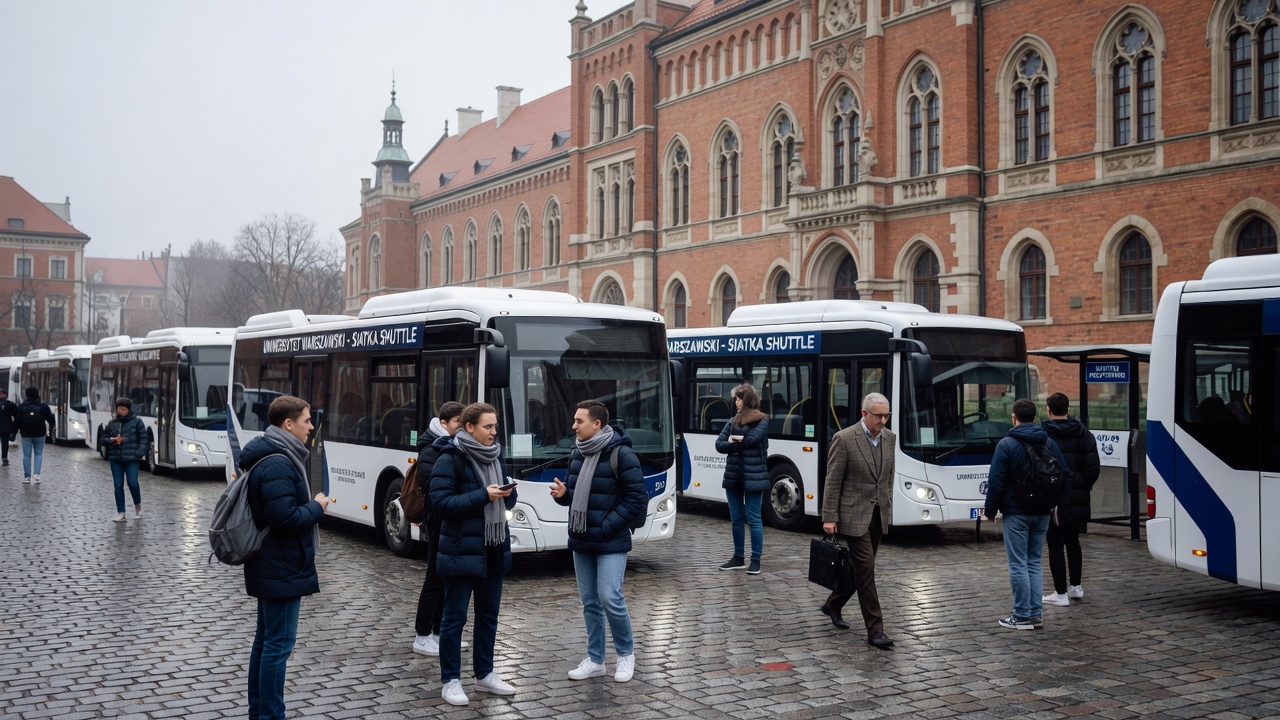
The University of Warsaw has announced a significant expansion of its commuter shuttle network to support students and staff facing disruptions from nationwide rail strikes. The initiative aims to maintain reliable campus access across the capital region.
Rail Strikes Disrupt Daily Commutes
Polish rail workers have conducted rolling strikes over the past month, affecting multiple lines connecting Warsaw with suburban areas where many university affiliates reside. Commuters report delays of up to two hours on affected routes, prompting the university to accelerate shuttle deployments. Officials note that the strikes stem from wage negotiations and infrastructure concerns, impacting thousands of daily travelers. Campus pathways previously reliant on rail links now face capacity challenges, leading administrators to prioritize alternative transport solutions.
Student organizations have welcomed the move, highlighting safety and punctuality benefits during the labor action. Data from the university transport office shows a 40 percent rise in shuttle inquiries since strikes began. Partnerships with local bus operators supplement the expanded fleet, ensuring coverage for evening classes and research facilities.
Enhanced Routes and Service Adjustments
The new shuttle schedule adds six routes linking key dormitories, metro stations, and peripheral campuses. Vehicles operate at 15-minute intervals during peak hours, with dedicated priority lanes negotiated with city authorities. Electric minibuses form part of the fleet upgrade, aligning with sustainability goals for Polish campus pathways. Real-time tracking via a mobile app allows users to monitor arrivals and adjust plans accordingly.
University spokespersons emphasize that services will remain in place until rail operations normalize. Training for drivers includes protocols for high-demand periods, while feedback channels enable riders to report issues directly. Early ridership data indicates strong uptake, with over 2,500 daily passengers recorded in the first week. The expansion reflects broader efforts to strengthen resilient transport networks amid ongoing industrial challenges in Poland.
Further adjustments may include weekend extensions if strikes persist. Coordination with neighboring institutions explores shared resources for inter-campus travel. This development underscores the university's commitment to uninterrupted academic access through adaptive mobility strategies.