Iris Lehmann · 6 October 2026
The University of Warsaw has announced an expansion of its commuter shuttle network in response to ongoing national rail strikes that have disrupted transportation for thousands of students and faculty members. The initiative seeks to maintain reliable access to all campuses despite the industrial action affecting PKP Intercity and regional rail services.
Effects of Strikes on Student Commuting
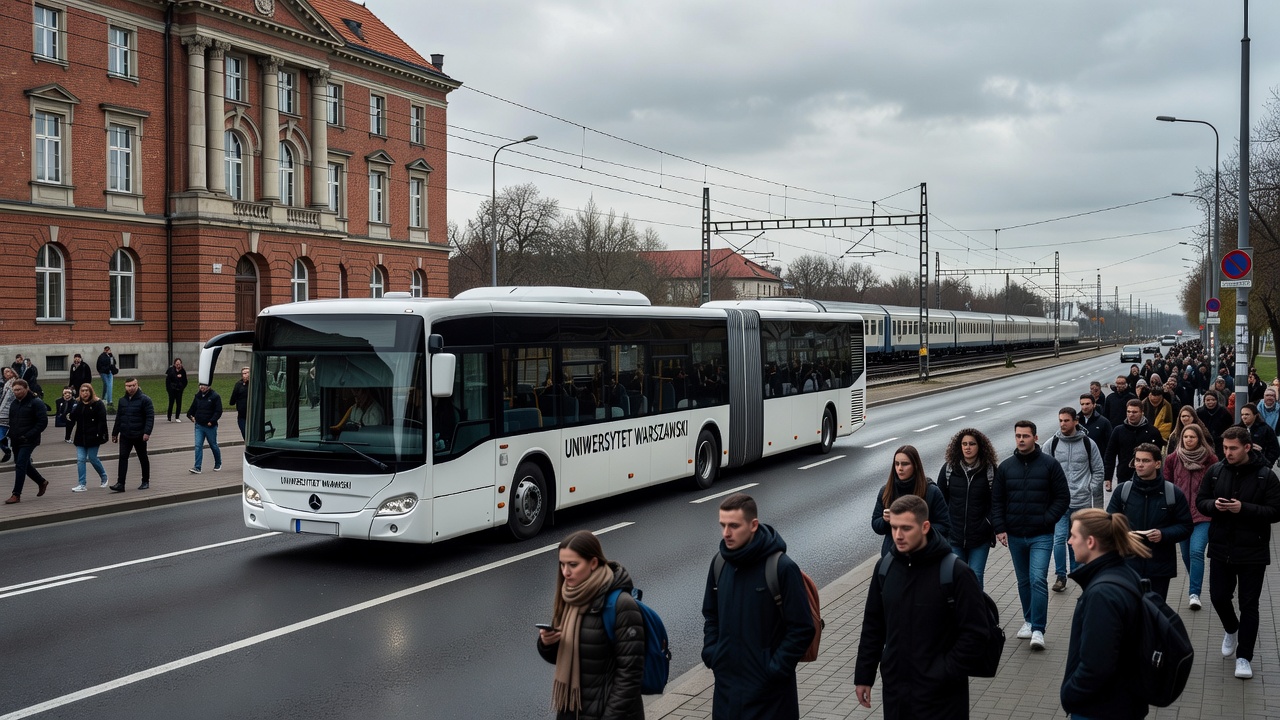
Since the strikes commenced three weeks ago, many rail lines serving Warsaw have operated at reduced capacity or been entirely suspended on certain days. This has forced students living in suburbs such as Pruszków, Piaseczno, and Legionowo to seek alternative means of transport, often leading to overcrowded buses and longer journey times. University data indicates a noticeable decline in punctuality for morning lectures among commuters. Campus authorities conducted surveys revealing that over 40 percent of daily commuters were affected. In light of this, emergency measures were approved by the rector's office to bolster shuttle operations immediately.
Implementation of Expanded Shuttle Services
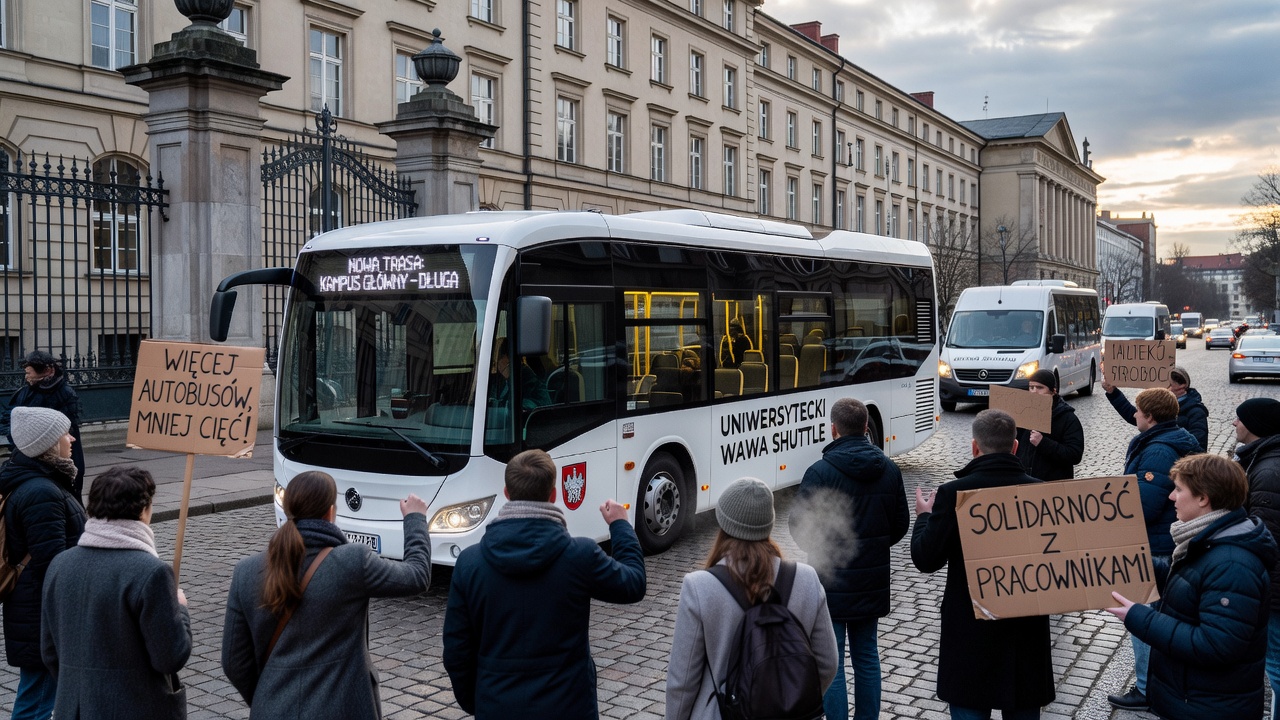
The new shuttle program features additional vehicles on existing lines plus three supplementary routes linking major student housing complexes directly to the main university gate. Services run every 10 minutes during rush periods, with dedicated lanes where possible to avoid traffic congestion. All shuttles are equipped with Wi-Fi and USB charging points to support student productivity during travel. Coordination with the city transport authority has allowed for seamless connections at key interchanges. The university has also introduced a priority boarding system for verified students using their campus cards. Officials project that these changes will restore normal attendance levels within the next fortnight. Monitoring continues, with potential for further scaling if strikes persist beyond the current negotiations between unions and government. Environmental considerations have been taken into account with the deployment of low-emission vehicles. Partnerships with local businesses provide discounts for shuttle users at nearby cafes and bookstores. The program represents a significant investment in student welfare during challenging times for public infrastructure.